Black Sea Region
Intermediate
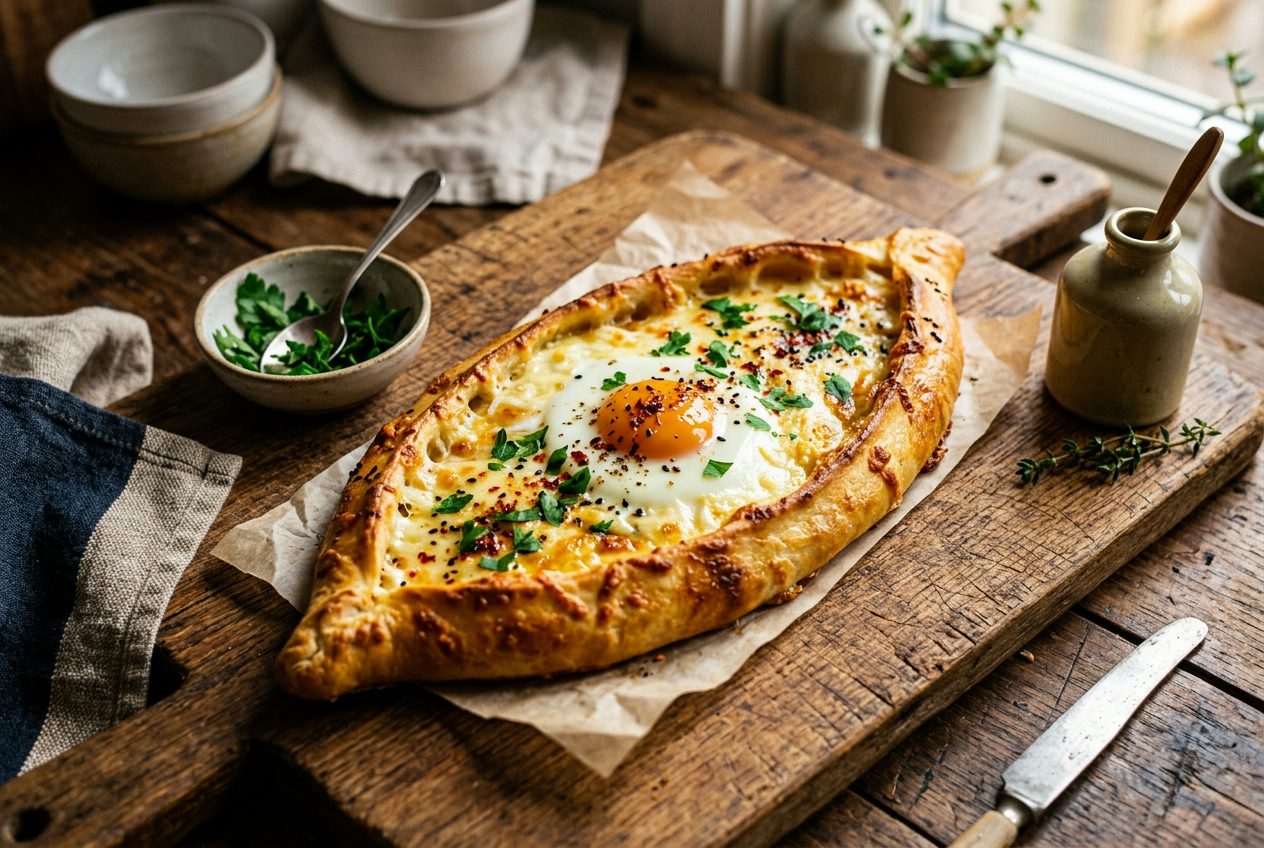
Trabzon Pidesi
A golden, boat-shaped flatbread from the misty shores of the Black Sea, baked with buttery eggs and kaşar cheese melted into its heart.
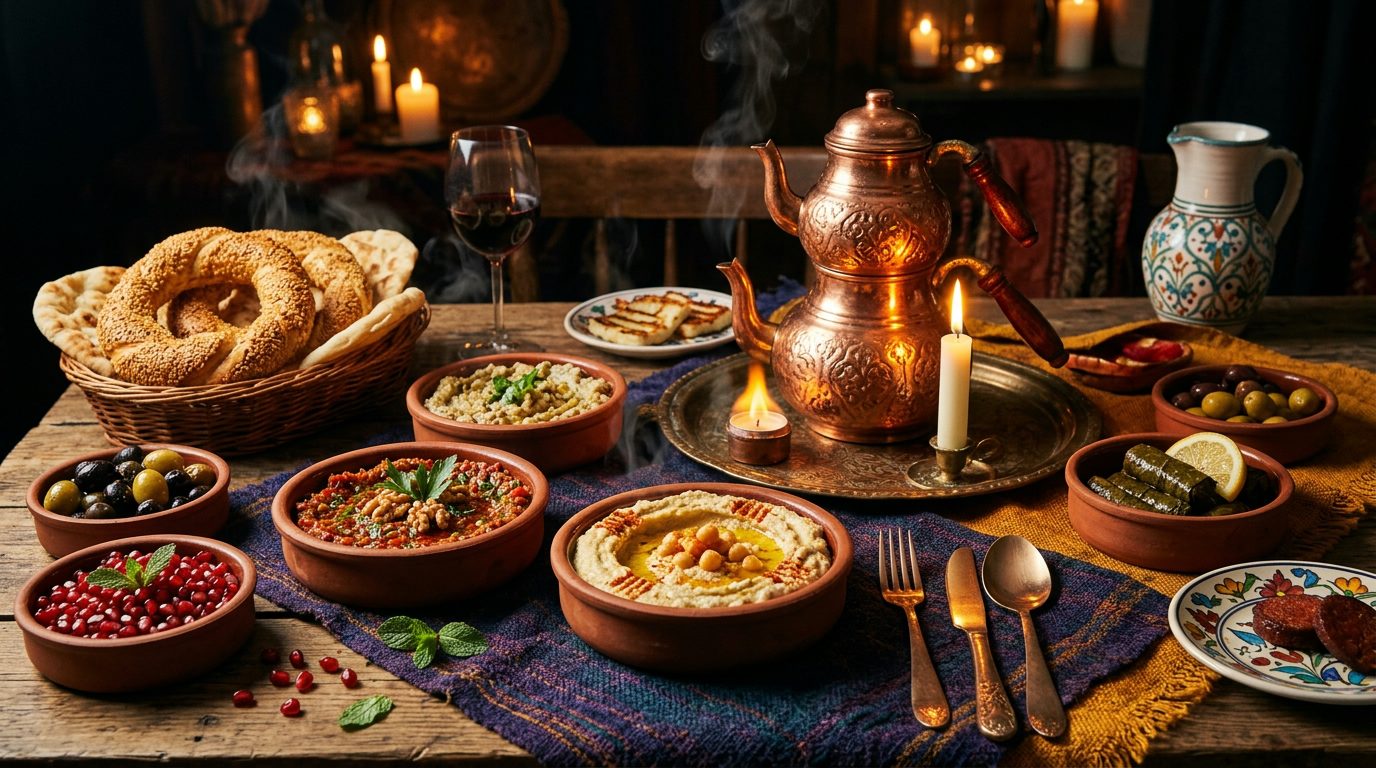
Journey through the saffron-scented kitchens of Anatolia, the olive-grove valleys of the Aegean, and the refined palaces of the Ottoman era — one authentic recipe at a time.
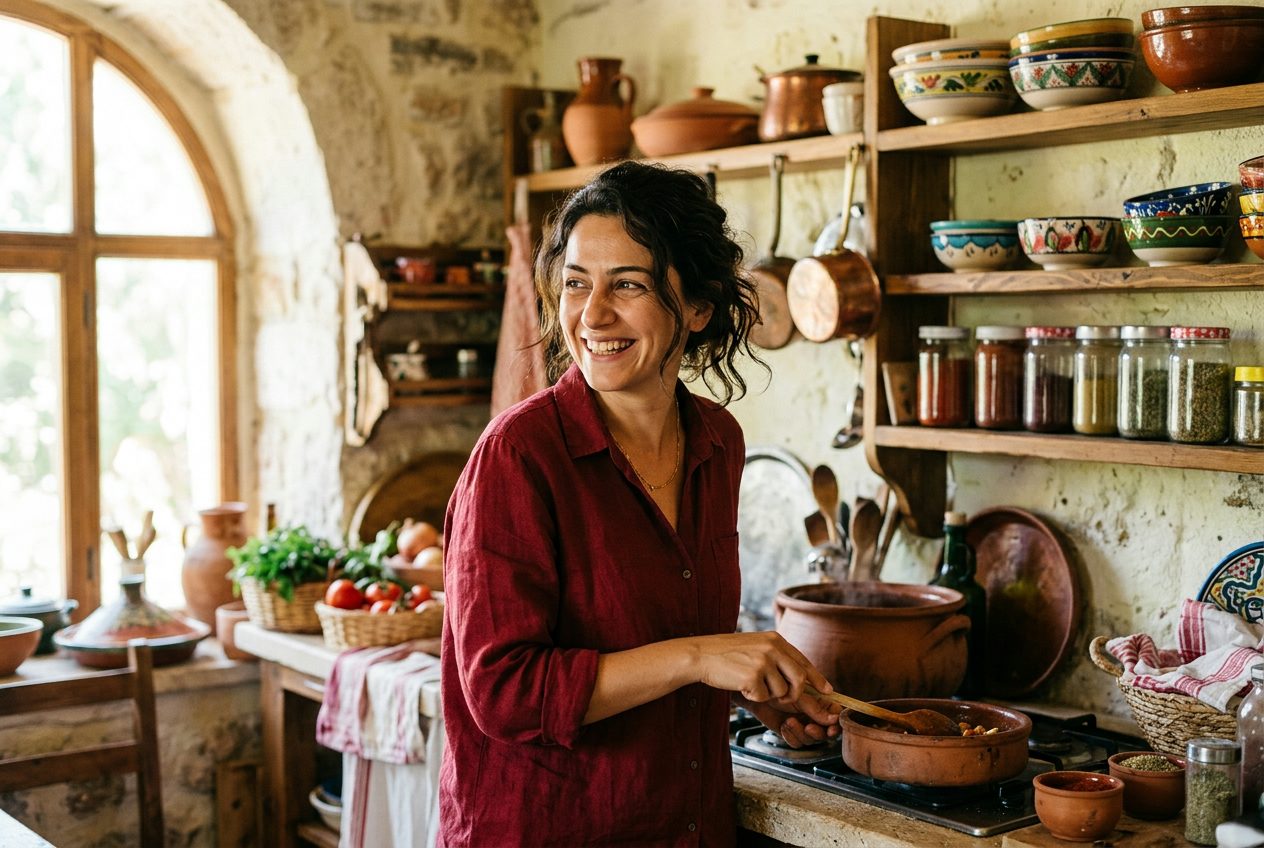
Andrea Smith has spent over a decade traveling through Anatolia, the Aegean coast, and the villages of southeastern Turkey — documenting recipes that rarely make it beyond the family hearth. Her work is driven by a deep conviction that the most honest cuisine is found not in restaurants, but in grandmothers' kitchens and age-old market stalls.
Through andreasmith, she brings these forgotten flavors to your table — every recipe rigorously tested, every story faithfully told.
"Every spice holds a village's memory. My job is simply not to let it fade."
— Andrea SmithFrom the Kitchen
Six dishes that tell the story of Turkey's extraordinary culinary landscape — from Black Sea shores to Ottoman palace kitchens.
A golden, boat-shaped flatbread from the misty shores of the Black Sea, baked with buttery eggs and kaşar cheese melted into its heart.
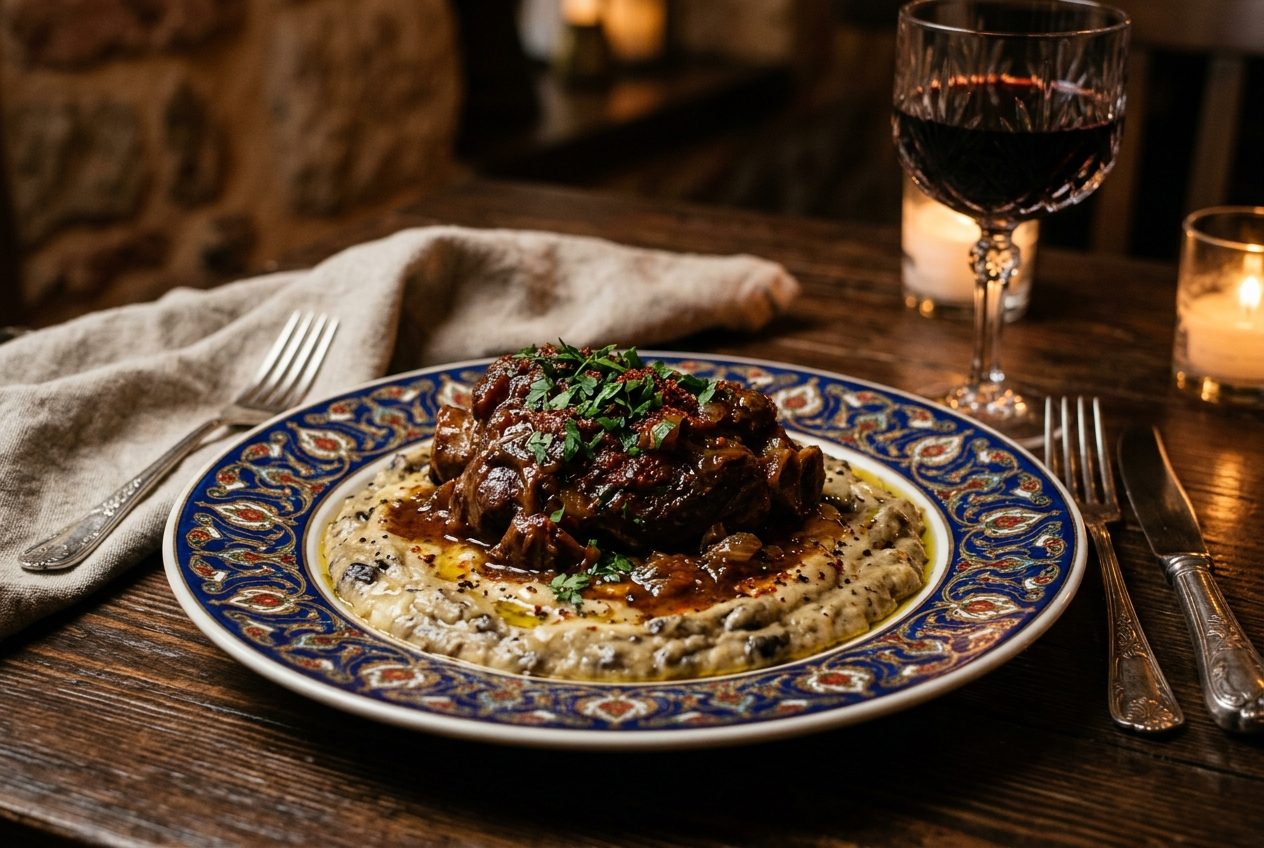
A dish fit for sultans — tender lamb ragù served atop a cloud of smoky, velvety roasted eggplant purée that once graced the tables of Topkapı Palace.
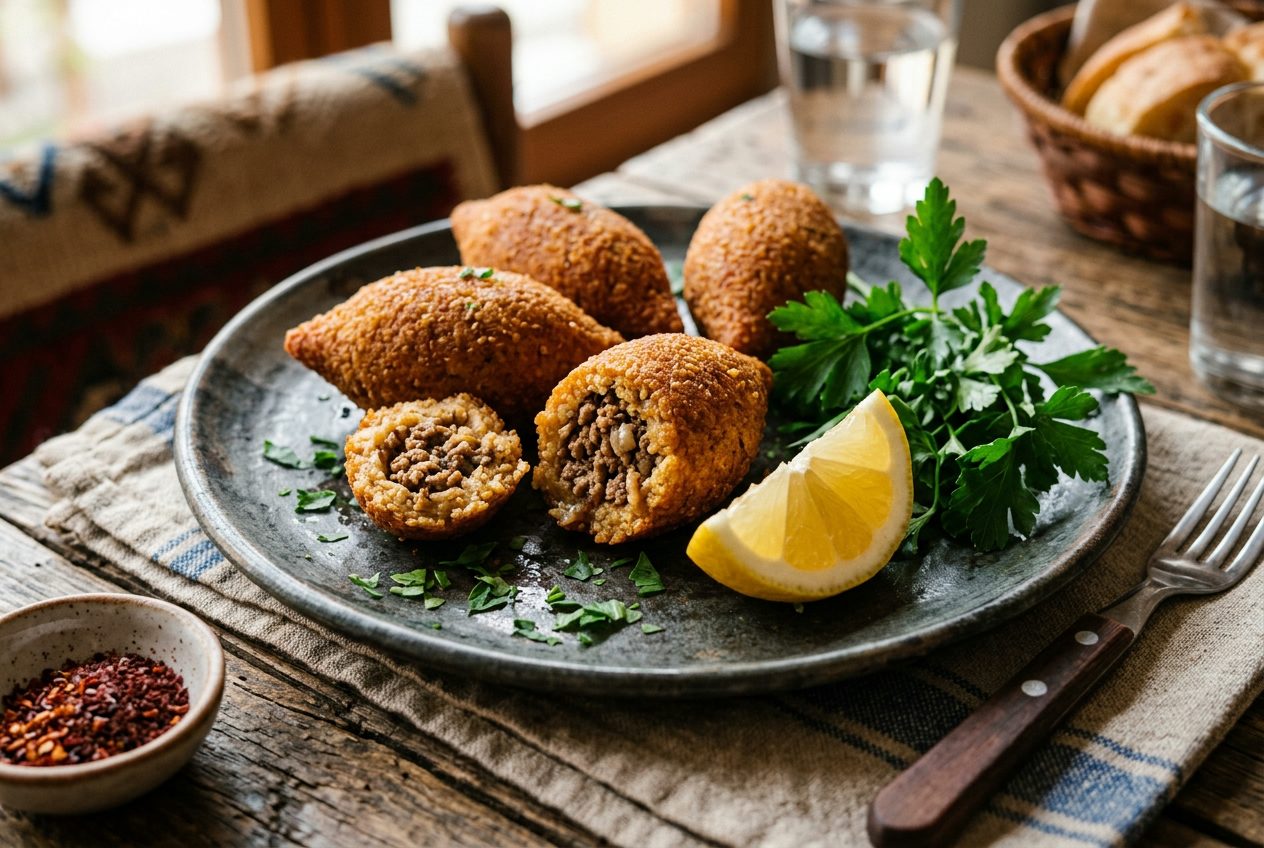
Crisp bulgur shells encasing a fragrant minced lamb filling with pine nuts and walnuts — a labor of love born in the ancient kitchens of Gaziantep.
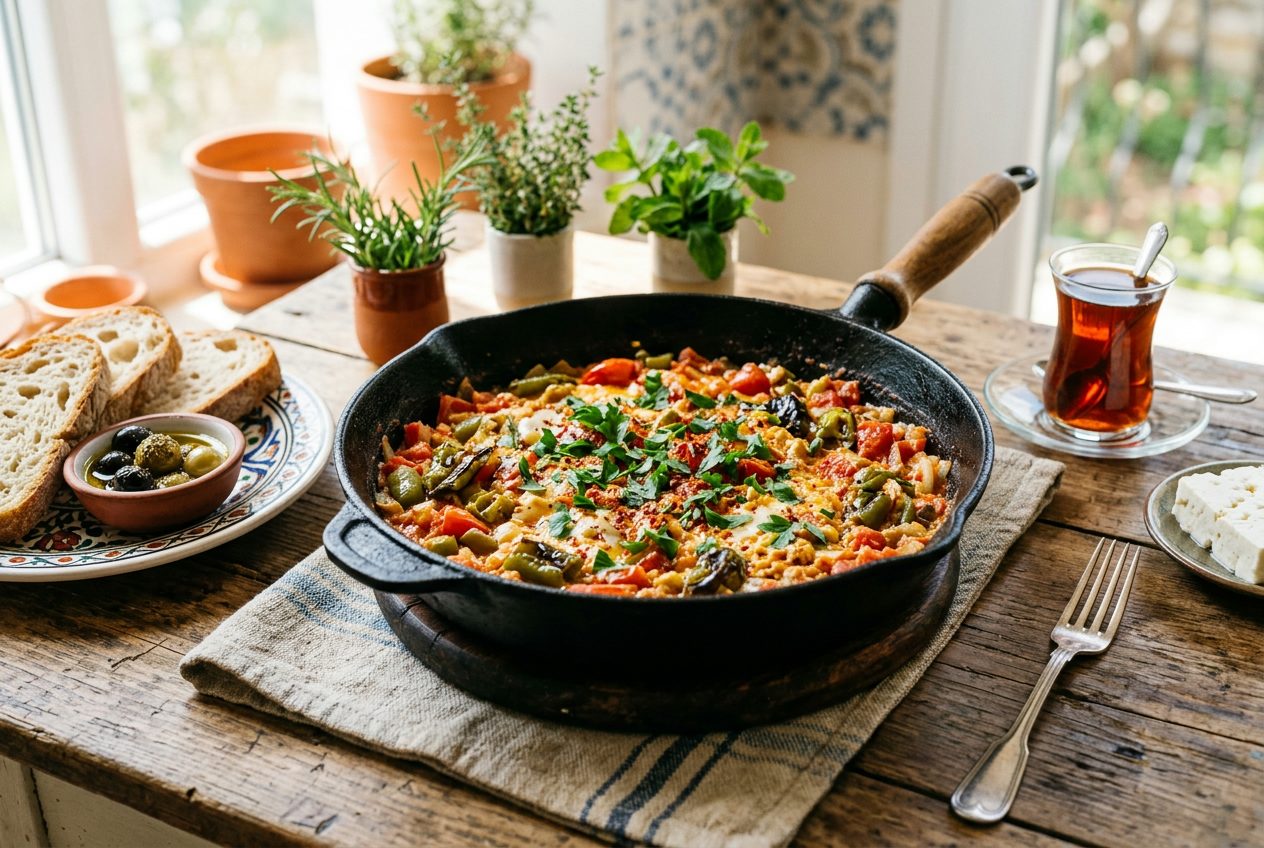
Eggs softly scrambled into a vibrant tangle of tomatoes, green peppers, and olive oil — the Aegean coast's most honest and joyful breakfast.
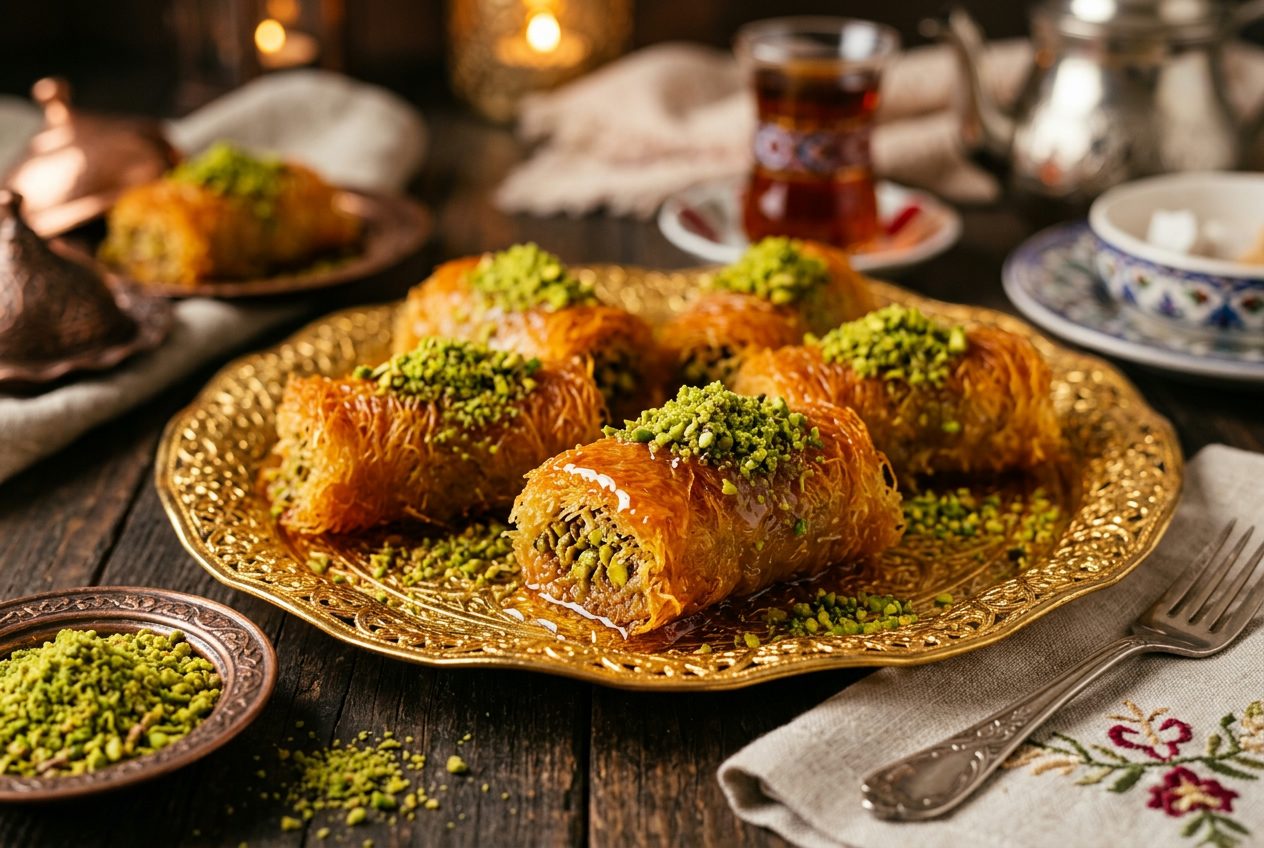
Shredded wheat pastry rolled around pistachios and drenched in fragrant syrup — Gaziantep's answer to the world's finest dessert question.
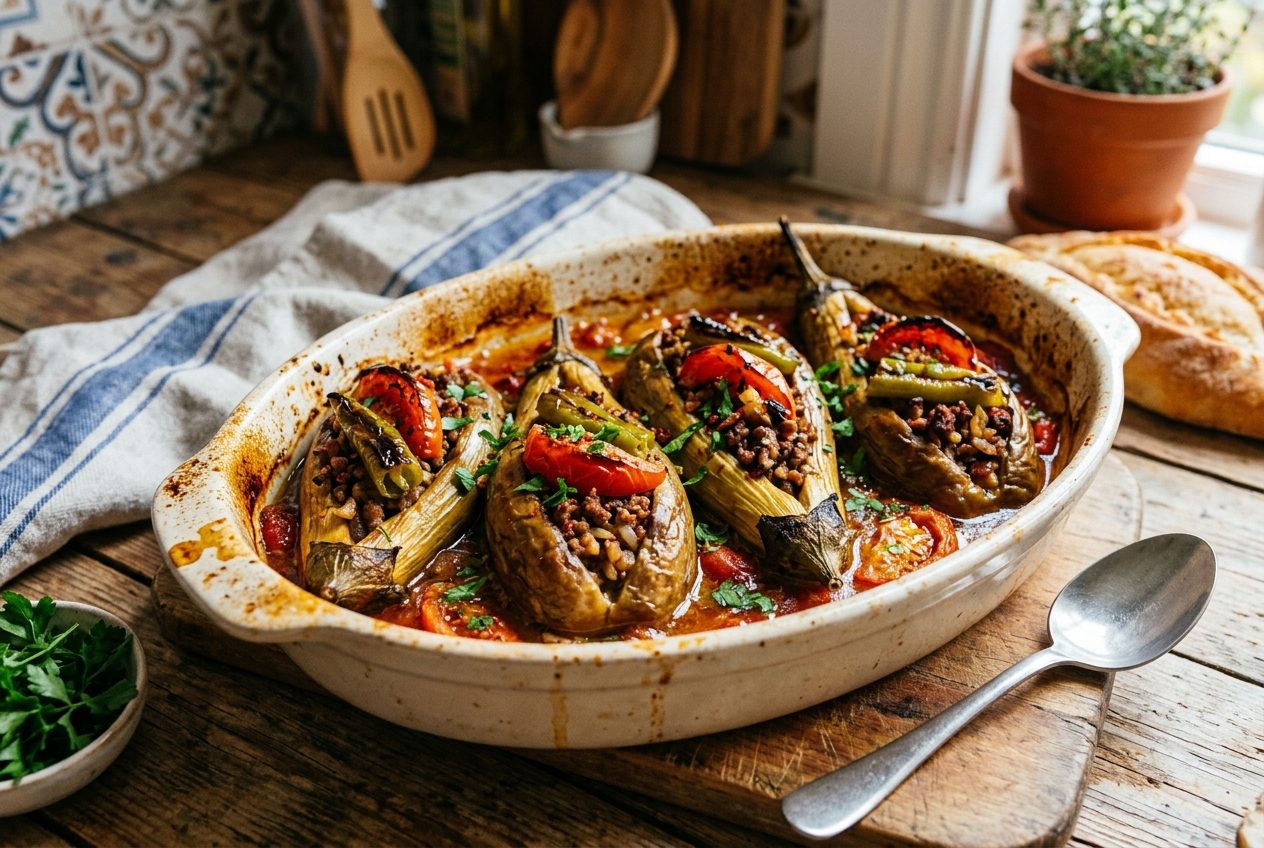
Split, crisped eggplants filled with a savory minced beef and tomato mixture — the quintessential Istanbul home-kitchen dish that defines comfort.
Turkey is not one cuisine — it is five distinct culinary worlds shaped by sea, mountain, steppe, and history. Select a region to discover its soul dish and explore the archive.
Select any region above to filter the full recipe archive by culinary tradition.
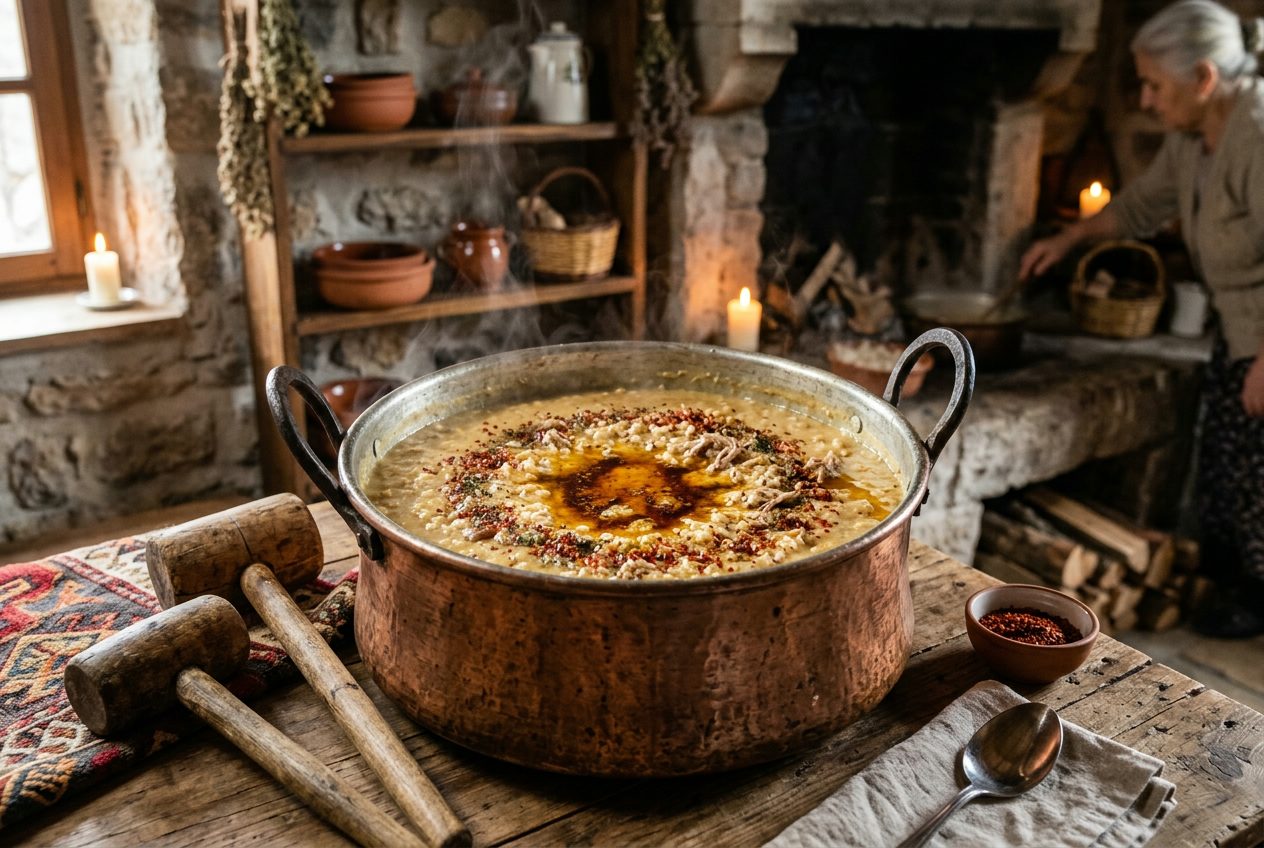
Keşkek is not merely a dish — it is a ritual. Recognized by UNESCO as part of Turkey's Intangible Cultural Heritage, this ancient preparation of slow-cooked wheat and lamb has been served at village weddings, circumcision feasts, and religious ceremonies for centuries across Anatolia. When a family celebrates a milestone, neighbors gather before dawn to pound the wheat and tend the copper cauldrons.
The process of making Keşkek is communal by nature. Men traditionally beat the wheat and lamb together using large wooden mallets — a rhythmic, almost meditative labor that can last several hours. The result is a silky, deeply savory porridge that carries within it the memory of every celebration it has graced.
Includes cultural notes, step-by-step method & serving tips
Centuries of Turkish culinary heritage distilled into practical wisdom for your everyday kitchen.
A truly authentic Turkish kitchen is anchored by a core set of aromatic spices: deep red pul biber (Aleppo pepper flakes), earthy cumin, fragrant dried mint, and warming sumac.
The secret to baklava that shatters gloriously with each bite lies in patience: brush every single sheet of yufka (phyllo) generously with clarified butter, working swiftly so the delicate pastry never dries out.
A proper kahvaltı is less a meal and more a ceremony: lay out small dishes of creamy white cheese (beyaz peynir), glistening black and green olives, sliced tomatoes and cucumbers, hand-rolled açma bread, and a jar of dark mulberry jam beside golden kaymak clotted cream.
"Yemek yemek bir sanattır — aşkla pişirildiğinde." · Cooking is an art, when made with love.
Get rare recipes delivered straight to your inbox — no spam, just stories and flavors.
By subscribing you agree to our Privacy Policy. Unsubscribe anytime.